Psychological Impact of Injury on Young Children and their Parents

Many thanks to Dr. Alexandra De Young (University of Queensland) for two great seminars in Melbourne yesterday! Alex gave an overview of the findings from a longitudinal study with 130 young burn injured children (aged one to six years) and their parents.

The topics she discussed included:

  1. Prevalence, comorbidity and course of trauma reactions in the children
  2. Prevalence of trauma reactions in the parents
  3. A model of risk factors for persistent trauma reactions, and
  4. Clinical implications for current and future management of trauma reactions.

You can download a pdf of the presentation here. In addition, have a look at one of her central papers about trauma reactions in young children (free pdf). Last but not least, the new website of the child trauma research unit where she works is a good resource, both for clinicians and for families.

Are we winning the fight against Posttraumatic Stress Disorder?

It’s the question Richard McNally, an eminent PTSD scholar in the US, posed in Science earlier this month. The journal devoted a special issue to human conflict and McNally zoomed in on PTSD after combat duty. His comments are worth sharing and have implications that go beyond the military: Continue reading

The amusing details of ethics applications: A quiz

My apologies for a rather quiet Trauma Recovery blog at the moment. I’ve been living ‘under a stone’ (Dutch expression) to finish an ethics application for a new study. Which was pretty hilarious at times… Continue reading

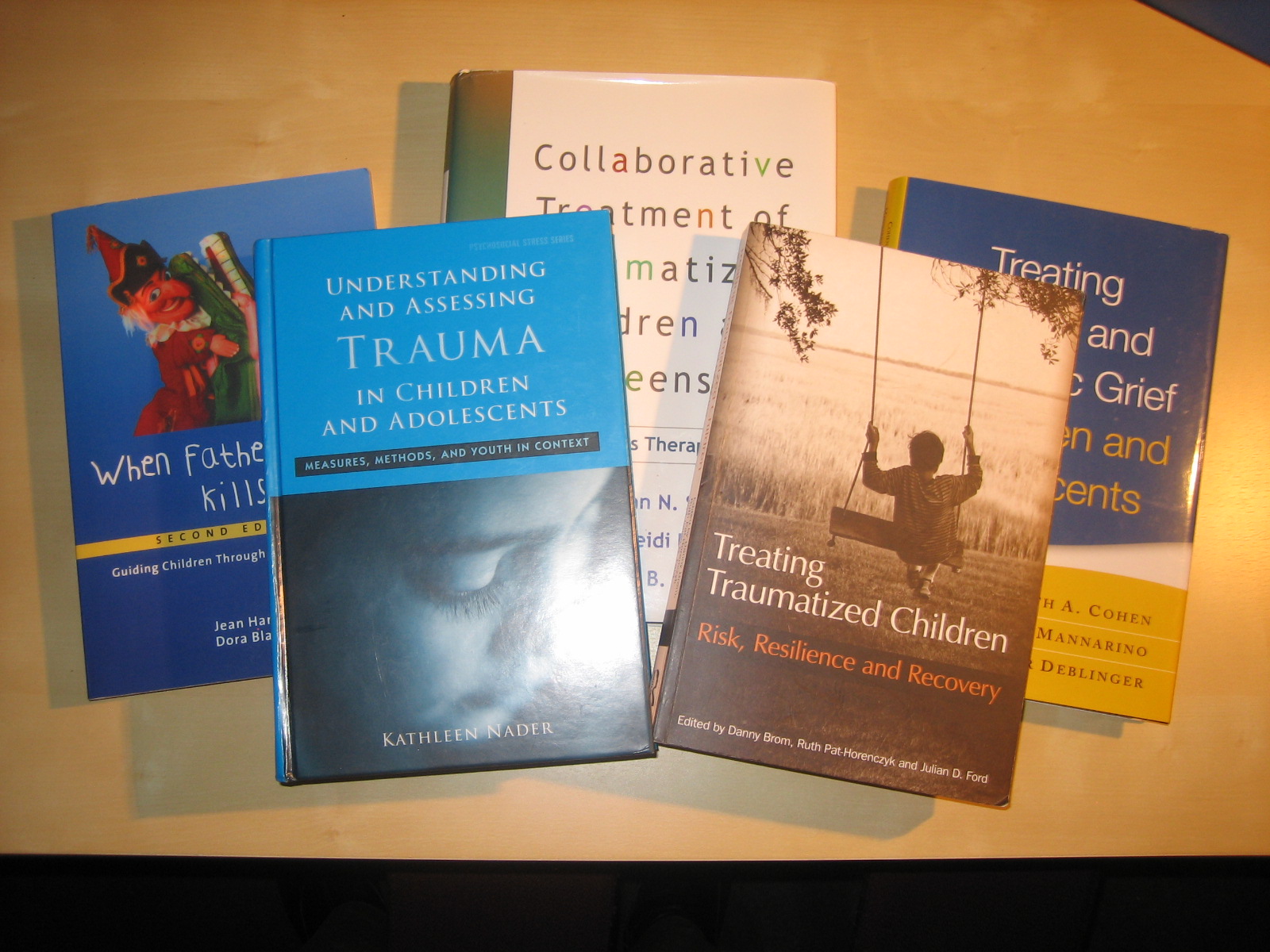
The 5 best books on children and trauma

Books! For a Dutch publication on supporting children after trauma, I have read and re-read a number of books on children and traumatic stress in the past couple of months. Five of them clearly stood out as favorites, mainly because of their innovative ideas, child-centered approach, and/or practical examples of how to help children.

 
Here they are, in random order. Would you agree with the selection? Continue reading

5 key considerations for working with young traumatized children

This guest post is by Dr. Alexandra De Young. Alexandra is a clinical psychologist and research fellow. Her expertise lies in the impact of burns trauma on very young children and their parents.  She currently works at the Centre of National Research on Disability and Rehabilitation Medicine (CONROD), University of Queensland, where she conducts research on the assessment, diagnosis and treatment of accidental trauma in children. 

Five key considerations for working with young traumatized children:

1. Young children are a high risk group for exposure to traumatic events

Infants, toddlers, and preschoolers are particularly vulnerable to trauma exposure due to their stage of development.  Young children interact with their environment before they become aware of potential dangers and threat, are strongly reliant on adults to keep them safe and have limited skills to protect themselves.  Continue reading