Does self-help treatment for anxiety disorders work?

This blogpost has recently appeared on the Mental Elf blog. I thought it may interest you as it focuses on self-management for anxiety disorders, including Posttraumatic Stress Disorder (PTSD).

Many people struggle with anxiety disorders such as panic disorder, social phobia, and PTSD. Moreover, about 30% of us have an anxiety disorder at some point in our life (Kessler et al 2005) but most people never receive treatment.

Self-help interventions may provide a solution when people are unable or unwilling to participate in face-to-face treatment: waiting lists don’t have to be an issue, there is no need to travel to appointments, and costs can be low.

But do these interventions work? And if so, how well do they work compared to face-to-face treatment? Continue reading

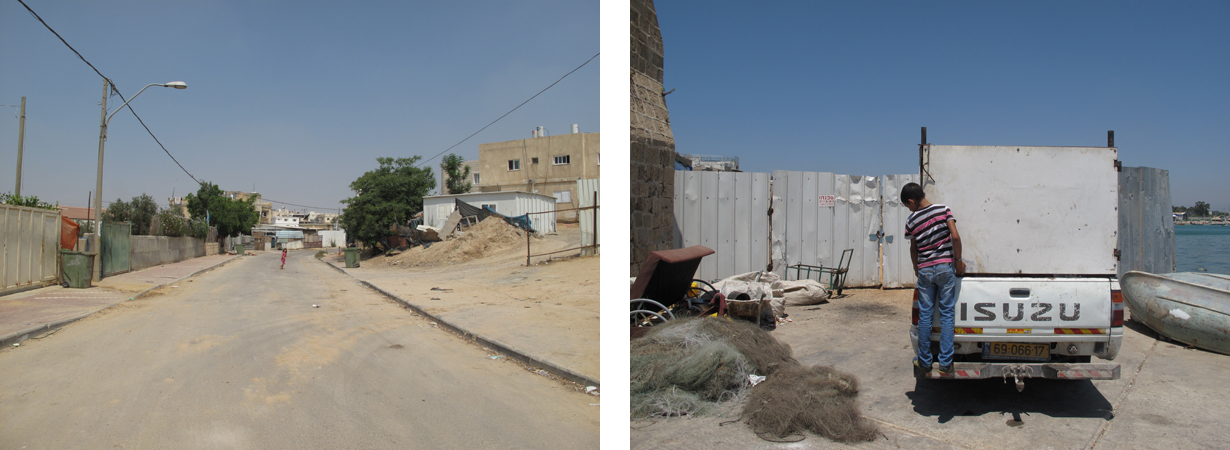
Trauma and Resilience summer course in Israel: Impressions and insights

A first-hand report of the international Trauma & Resilience summer course in Israel. Marieke Sleijpen is PhD student at Utrecht University and Arq Foundation. Juul Gouweloos is policy adviser and psychologist at Impact, the Dutch advice centre on post-disaster psychosocial care (partner in Arq Psychotrauma Expert Group).

We have just returned from a summer course in Jerusalem. Jerusalem is called the HolyCity, City of David, City of Gold and the City of Peace… At the same time it has been a city of unresolved conflicts for many centuries. Israel itself is a relative small country in size (less than 8 million inhabitants), but with people from various cultural and religious backgrounds and with a huge environmental diversity (from deserts and oasis, to mountains and valleys). We visited this multifaceted and intense country to attend the course Trauma and Resilience, organized by the Israel Center for the Treatment of Psychotrauma at the Hebrew University.

Continue reading

Does being optimistic help you recover from trauma?

Last week, we had every reason to be shocked again about how cruel our world can be. The shooting in Aurora, Colorado, was in bizarre contrast with the fun evening that the movie goers expected to have. There was the one-year anniversary of Breivik’s attack in Norway. Our TVs screened ongoing, severe violence in Syria and other parts of the world. Not much reason to be optimistic, it seems.

However, the personality factor ‘optimism’ in itself may be an important asset when confronted with terrible things: Continue reading

Highlights of the Australasian Conference of Child Trauma

I’ve just returned from a fabulous first Australasian Conference of Child Trauma (ACOCT). Three days at the sunny Gold Coast with a program packed with relevant and thought-provoking presentations on e.g., the Christchurch response, indigenous culture-informed care, brain development in maltreated children, the Victorian 2009 Bushfires, and trauma-focused CBT.

About 450 people participated, impressive for a first-time conference in not-so-flourishing times. The atmosphere was great, with a nice mix of clinicians and researchers (hopefully also some policy makers but I’m not sure). In two years there will be a new edition, so keep an eye on the ACOCT website. Below are a few of the highlights:

Pieter Rossouw discussed the functions of the brain in relation to children’s development and their response to traumatic exposure. He stressed the importance of providing safety during interventions and the possibility of change at any age. In one study he mentioned, terminally ill elderly people learned a new skill (e.g., a man learned to knit) in the last few days of their lives. On autopsy, a marker in their brain showed that they had developed new neural pathways. He left me, and I think many others, with feelings of hope and optimism.

Rossouw’s and profs. Rachel Yehuda and Akemi Tomoda‘s presentations made me want to dive into the neuropsychological and neurobiological literature again, so I have been browsing the Amazon site for good recent books. This one on trauma and resilience, this popular science book, and  Continue reading

A Quarter of Cases of Posttraumatic Stress Disorder Is With Delayed Onset

This month’s guest post is by Geert Smid. Geert is a psychiatrist with Foundation Centrum ’45, the Dutch national institute for specialized diagnosis and mental health treatment after persecution, war and violence. He is also a researcher at Arq Psychotrauma Expert Group. Geert completed his PhD on Delayed Posttraumatic Stress Disorder in 2011 with a number of beautiful publications. He’ll make your brain work a little on this very topic:

According to the current edition of the Diagnostic and Statistical Manual of Mental Disorders, delayed posttraumatic stress disorder (PTSD) must be diagnosed in individuals fulfilling criteria for PTSD if the onset of symptoms is at least 6 months after the trauma. The prevalence of delayed PTSD has for a long time remained unclear, and only few studies have examined factors that may explain its occurrence. The findings summarized below are based on prospective investigations in disaster survivors and unaccompanied refugee minors, as well as a comprehensive meta-analysis of prospective studies.

1. About a quarter of PTSD cases is with delayed onset. The results of our meta-analysis showed that delayed PTSD occurs in about one quarter of all PTSD cases. The risk of delayed PTSD did not decrease between 9 and 25 months after the traumatic event, and when traumatized populations were followed up for longer periods of time, more delayed PTSD cases were found. These findings suggest ongoing potential risk for some individuals.

2. During the interval between the trauma and delayed PTSD onset, some symptoms are likely to occur. Delayed PTSD occurred most often in individuals already reporting “subthreshold” symptoms after the traumatic event. These symptoms Continue reading