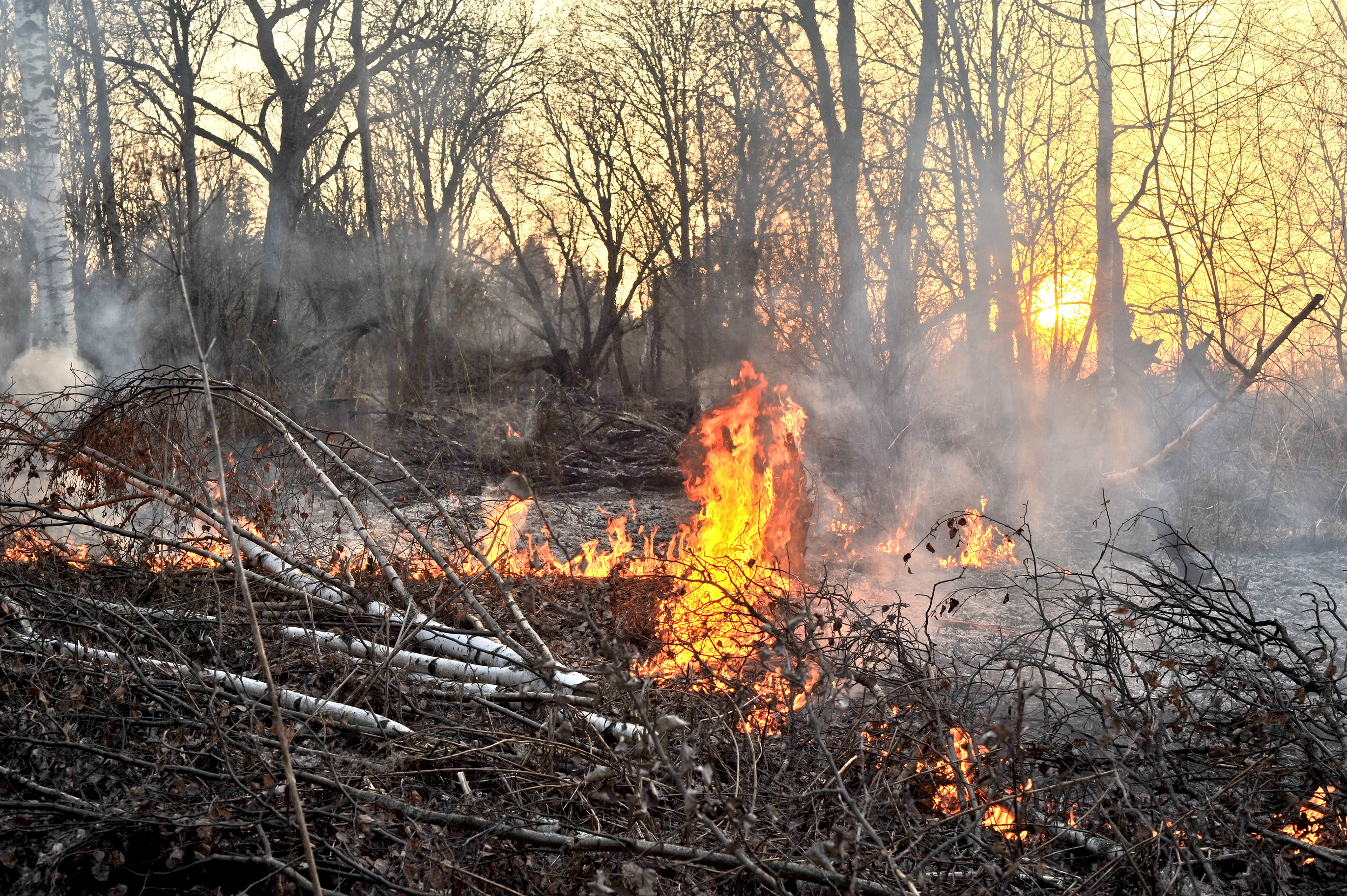
 Australia has been struck by numerous bushfires in the past few weeks and will be seeing many more as the peak of the bushfire season is yet to come. How do professionals experience working in bushfire situations? Samara Wilson* has summarized a recent study for you.
Ranse and Lenson (2012) have looked into the diverse role nurses played in the aftermath of the Australian Black Saturday and Victorian bushfires in 2009. Nursing staff are often among the first to be involved with response and recovery efforts following disasters such as bushfires. However, nurses often feel they lack the necessary training to provide adequate support for the people they encounter in these extreme situations. Education for disaster scenarios is not standardized across Australian settings, with nurses experiencing varied amounts of training, and there is little research in this domain.
This study used in-depth telephone interviews with 11 nurses volunteering with St John’s Ambulance Australia who were involved in the Black Saturday and Victorian bushfires in 2009. The researchers looked at the roles nurses played in psychosocial support, coordination, and problem solving, and examined how these were influenced by the nurses’ prior education, training, and availability of resources.
Two broad themes emerged from the interviews. The first theme was ‘being prepared’: Continue reading →

 “Five key considerations for working with young traumatized children” by Dr. Alex de Young was one of our most popular blogposts last year. We know relatively little of young children’s recovery and of how we can help them. The field is rapidly moving forward however and one of its pioneers, Prof. Michael Scheeringa, has agreed to tell you more about his new CBT approach for very young children. Continue reading






 Trauma Recovery Lab