4 Meta-analyses of predictors of PTSD in children: An overview

One of the main questions of child trauma psychologists is which children are most vulnerable for PTSD after a traumatic event. The answer would help us to develop interventions that address causes of distress and to focus on the children most in need.

Recently, a fourth meta-analysis on predictors of posttraumatic stress in children has been published, which makes it interesting to compare findings and methods (yes, in that order, for busy people). It gives clinicians insight in risk factors for PTSD and it shows academics what needs to be studied in the next few years.

These are the four meta-analyses I know of, published over a period of 6 years: Kahana et al. (2006), Cox et al. (2008), Alisic et al. (2011), and Trickey et al. (2012). In a nutshell, the reviews combined correlational effect sizes to see which risk factors are associated with children’s posttraumatic stress symptoms. Their methods varied, which I will summarize below, but the findings converge to a number of interesting conclusions. Continue reading

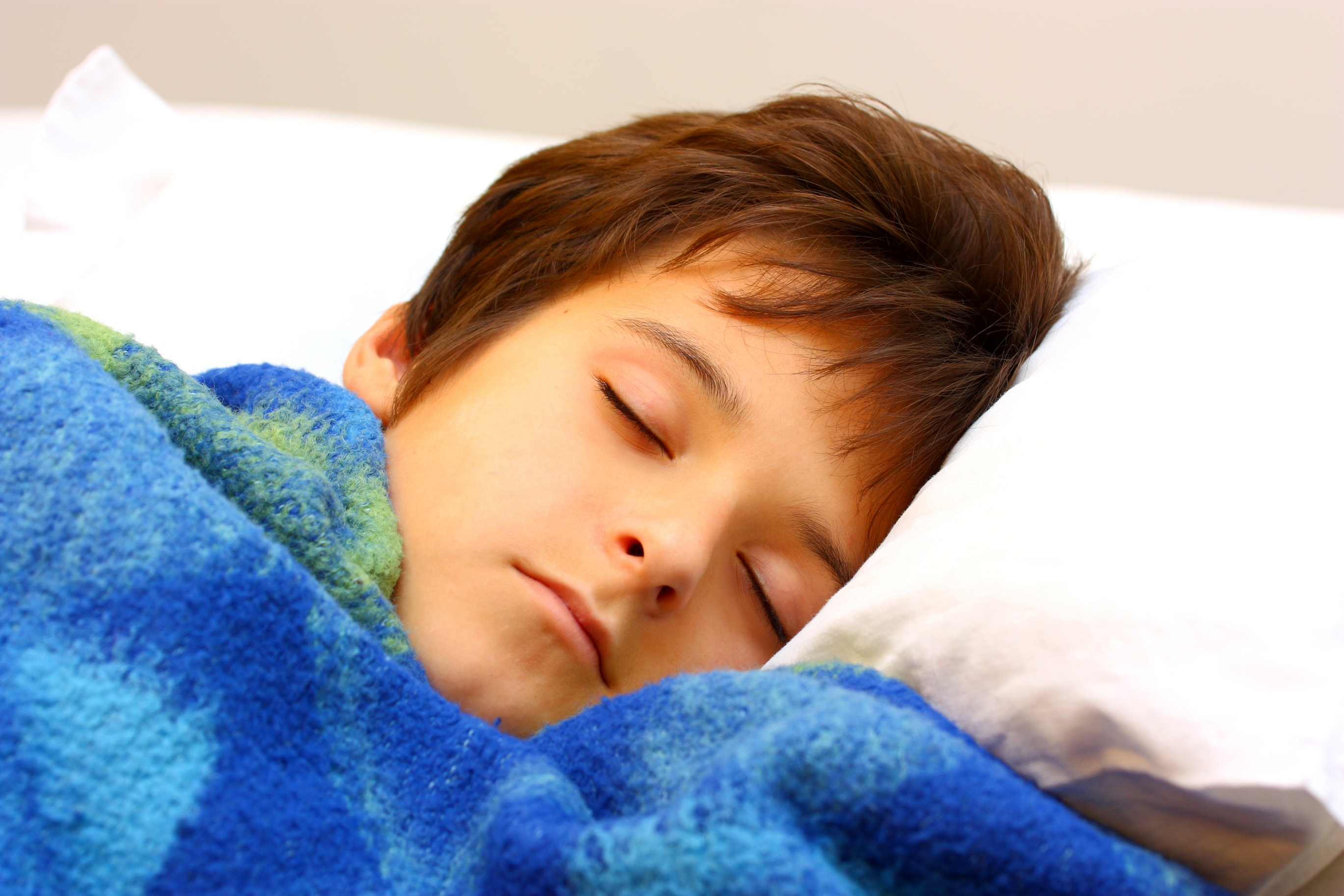
Sleep difficulties in children exposed to trauma

In 2012, the blog weekly features a summary or discussion of a recent scientific article on traumatic stress in children.

This week a summary of Hall Brown et al. (Oct 2011) on sleep in children after Hurricane Katrina.


In childhood it is normal to have some nighttime fears. Most children outgrow them. However, when fears continue to exist, they endanger sleep quality and daily functioning. One situation in which this may happen, is after traumatic exposure.

We know that adult mental health problems and sleep difficulties are related after trauma but we have only very limited data on children. Therefore, Hall Brown and colleagues studied the role of sleep problems in the maintenance of posttraumatic stress symptoms in youths who experienced Hurricane Katrina. Continue reading

Trauma recovery after the attack in Liège / Luik

For everybody who is involved in the shocking events in Luik/Liège and wants to know more about trauma recovery and how to help: a quick guide to some good, informative websites (en Français il y a un blog de la Croix-Rouge de Belgique, voor Nederlandstalige websites zie onderaan deze pagina) and a few tips. Continue reading

Does physical activity make a difference?

When looking at trauma recovery in children, we tend to search for solutions in the domain of therapy: cognitive behavioral therapy, EMDR, pharmacotherapy and the like. However, we may also be able to help in other ways. Continue reading

Parents tell about their children’s recovery from trauma

A child has been injured in an accident. Or has witnessed a suicide. Or has been assaulted on the way home from school. What is parents’ story when such a thing happens? How do they describe the recovery of their child? And what can we learn from their experiences?

We spoke in-depth with the parents of 25 children who had been through varied types of trauma, including serious road traffic accidents, witnessing murder, sexual assault, the loss of a sibling, and an explosion at home. The events had happened at least 6 months previously and the children were between 8 and 12 years old at the time of the interview.

Even though our questions mainly regarded the child’s recovery, parents talked a lot about their own role in this recovery. In particular, they spoke about two elements of their parenting. The first concerned becoming aware of the child’s needs. Parents tried to figure out what would be normal reactions to the event and to what extent their child showed those or more severe reactions. They used various strategies, including: Continue reading