Child in the shadowlands

The topic of this blogpost made the headlines in a shocking way this week when US Republican Todd Akin stated that women rarely get pregnant from rape because “the female body has ways to try to shut that whole thing down.”
Akin’s medieval assertions coincided with the publication of an essay in the Lancet that went in the very opposite direction and requested more attention for children born of rape, in particular in war circumstances.

Lead author Elisa van Ee, clinical psychologist and PhD candidate at Centre ’45 introduces the essay below.

The World Health Organization described children born of rape as at risk of being neglected, stigmatized, ostracized, or abandoned. Cases of infanticide (the killing of an infant) have also been reported. Despite such general concerns, little is known about the fate of these children. Continue reading

Trauma Recovery Fellowships

Two Melbourne-based fellowships are available for international PhD students and Post docs from January to March 2013!

Please spread the word…


The Trauma Recovery Lab

The new Trauma Recovery Lab within Monash Injury Research Institute aims to understand and facilitate children’s recovery from traumatic stress. Continue reading

Trauma and Resilience summer course in Israel: Impressions and insights

A first-hand report of the international Trauma & Resilience summer course in Israel. Marieke Sleijpen is PhD student at Utrecht University and Arq Foundation. Juul Gouweloos is policy adviser and psychologist at Impact, the Dutch advice centre on post-disaster psychosocial care (partner in Arq Psychotrauma Expert Group).

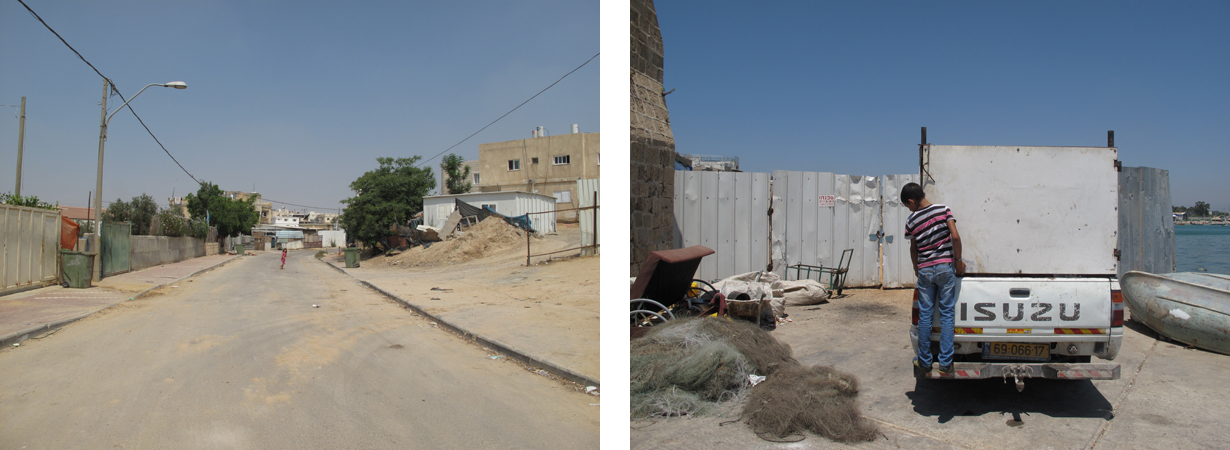
We have just returned from a summer course in Jerusalem. Jerusalem is called the HolyCity, City of David, City of Gold and the City of Peace… At the same time it has been a city of unresolved conflicts for many centuries. Israel itself is a relative small country in size (less than 8 million inhabitants), but with people from various cultural and religious backgrounds and with a huge environmental diversity (from deserts and oasis, to mountains and valleys). We visited this multifaceted and intense country to attend the course Trauma and Resilience, organized by the Israel Center for the Treatment of Psychotrauma at the Hebrew University.

Continue reading

Highlights of the Australasian Conference of Child Trauma

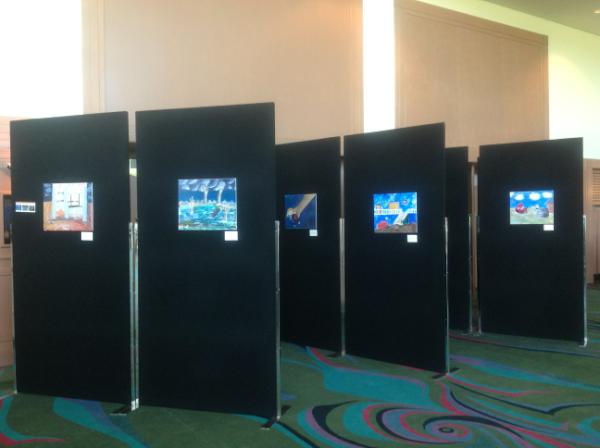
I’ve just returned from a fabulous first Australasian Conference of Child Trauma (ACOCT). Three days at the sunny Gold Coast with a program packed with relevant and thought-provoking presentations on e.g., the Christchurch response, indigenous culture-informed care, brain development in maltreated children, the Victorian 2009 Bushfires, and trauma-focused CBT.

About 450 people participated, impressive for a first-time conference in not-so-flourishing times. The atmosphere was great, with a nice mix of clinicians and researchers (hopefully also some policy makers but I’m not sure). In two years there will be a new edition, so keep an eye on the ACOCT website. Below are a few of the highlights:

Pieter Rossouw discussed the functions of the brain in relation to children’s development and their response to traumatic exposure. He stressed the importance of providing safety during interventions and the possibility of change at any age. In one study he mentioned, terminally ill elderly people learned a new skill (e.g., a man learned to knit) in the last few days of their lives. On autopsy, a marker in their brain showed that they had developed new neural pathways. He left me, and I think many others, with feelings of hope and optimism.

Rossouw’s and profs. Rachel Yehuda and Akemi Tomoda‘s presentations made me want to dive into the neuropsychological and neurobiological literature again, so I have been browsing the Amazon site for good recent books. This one on trauma and resilience, this popular science book, and  Continue reading

Psychological Impact of Injury on Young Children and their Parents

Many thanks to Dr. Alexandra De Young (University of Queensland) for two great seminars in Melbourne yesterday! Alex gave an overview of the findings from a longitudinal study with 130 young burn injured children (aged one to six years) and their parents.

The topics she discussed included:

  1. Prevalence, comorbidity and course of trauma reactions in the children
  2. Prevalence of trauma reactions in the parents
  3. A model of risk factors for persistent trauma reactions, and
  4. Clinical implications for current and future management of trauma reactions.

You can download a pdf of the presentation here. In addition, have a look at one of her central papers about trauma reactions in young children (free pdf). Last but not least, the new website of the child trauma research unit where she works is a good resource, both for clinicians and for families.