Working in bushfire affected areas: Nurses’ experiences

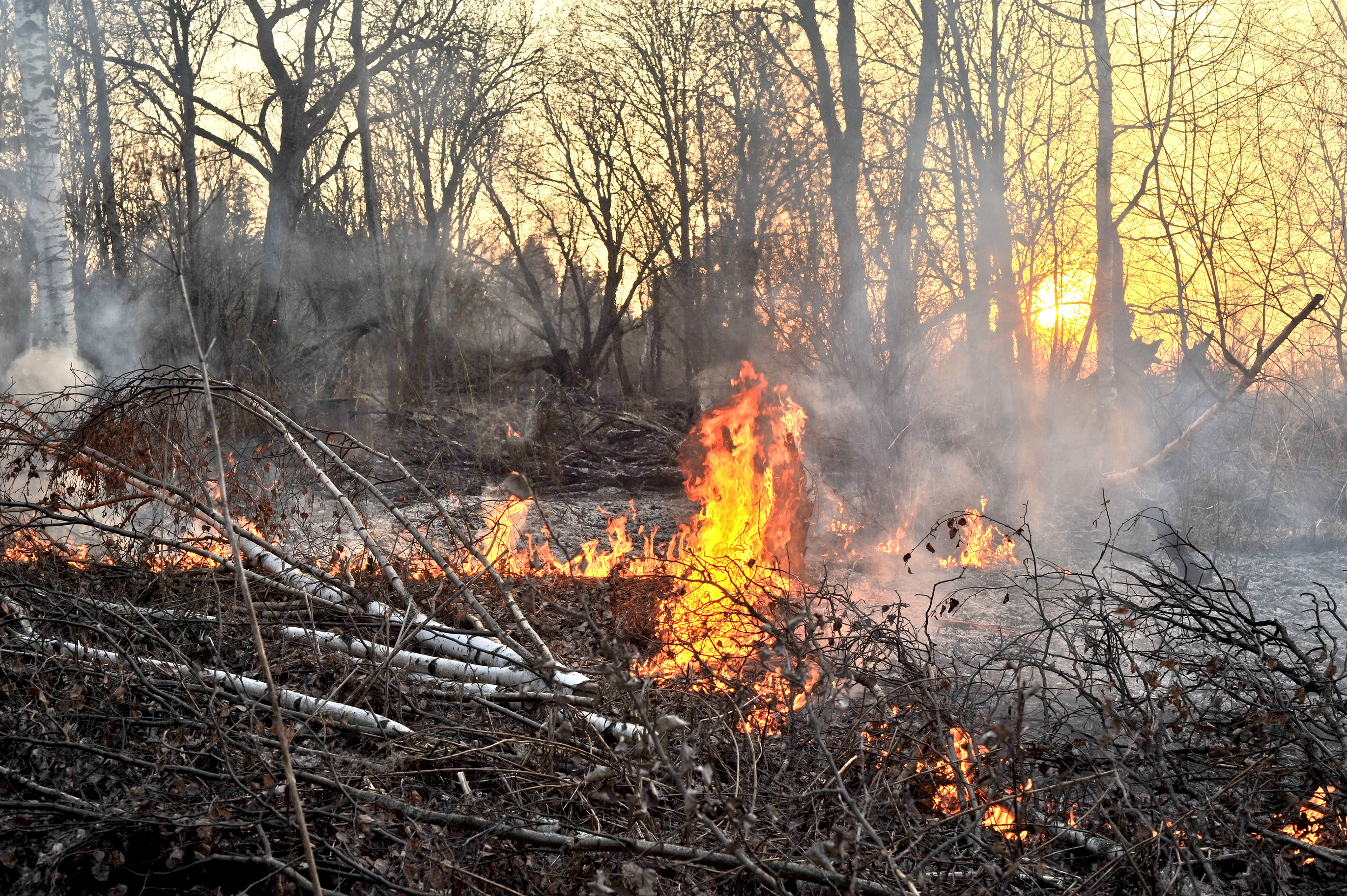
bushfireAustralia has been struck by numerous bushfires in the past few weeks and will be seeing many more as the peak of the bushfire season is yet to come. How do professionals experience working in bushfire situations? Samara Wilson* has summarized a recent study for you.

Ranse and Lenson (2012) have looked into the diverse role nurses played in the aftermath of the Australian Black Saturday and Victorian bushfires in 2009. Nursing staff are often among the first to be involved with response and recovery efforts following disasters such as bushfires. However, nurses often feel they lack the necessary training to provide adequate support for the people they encounter in these extreme situations. Education for disaster scenarios is not standardized across Australian settings, with nurses experiencing varied amounts of training, and there is little research in this domain.

This study used in-depth telephone interviews with 11 nurses volunteering with St John’s Ambulance Australia who were involved in the Black Saturday and Victorian bushfires in 2009. The researchers looked at the roles nurses played in psychosocial support, coordination, and problem solving, and examined how these were influenced by the nurses’ prior education, training, and availability of resources.

Two broad themes emerged from the interviews. The first theme was ‘being prepared’: Continue reading

Trusted advice for children, families and professionals after a major disaster or attack

Newtown tragedy

I wrote this blogpost for those involved in the tragedy in Newtown. A few days ago, it was sadly directly relevant again, for the survivors of the attacks in Boston. And today (18/4), it goes for the survivors in Texas. Please find resources below and let me know if you have any questions.

An extended version of this blogpost has been published on the Huffington Post.

With the storm of media attention for the terrible events and the enormous social media response, it may be difficult to tell what is evidence-informed advice and which are well-intended-but-ungrounded tips.

Therefore, below is a quick and limited overview of links that can be trusted: Continue reading

The physical health consequences of posttraumatic stress

Maria PacellaThe relation between posttraumatic stress and physical health is a fascinating one. On my ‘talent hunt’ at the ISTSS conference, I met Maria Pacella, who is currently completing her doctoral degree in Health Psychology at Kent State University, Ohio, USA. She examines the relation between traumatic stress and the development of mental and physical health problems in adults. Some fresh new findings below!

The following research describes a recent meta-analysis synthesizing the literature regarding PTSD/PTSD symptoms (PTSS) and comorbid physical health complaints. Related research conducted with samples of motor vehicle accident victims and people living with HIV is also discussed. For more information about our ongoing research studies, please see the Delahanty Stress and Health Lab website.

1. PTSD is associated with poor physical health

The relationship between PTSD and co-occurring mental health conditions — such as depression, substance use, and general anxiety — has received much attention in the literature. However, it is equally important to consider the impact of PTSD on physical health functioning. Given the biological alterations associated with PTSD, individuals with this disorder may be vulnerable to the development of, or worsening of, certain physical health conditions. A better understanding of the physical health consequences of PTSD will inform prevention and treatment practices, thereby reducing the economic burden created by the disorder.

Recently, we conducted a meta-analysis on the results of 62 empirical articles examining the relationship between PTSD and six physical health outcomes. Results revealed that individuals with PTSD suffered from greater health complaints in the following domains: Continue reading

How to bridge the gap between research and real life

Tons of fascinating research findings get published in academic journals. But how much of them are really translated into practice and sustainably implemented?

In order for science to be valuable it needs to be used: in the short run possibly as a stepping stone for new research but ultimately it needs to change something in real life.

I don’t think we optimally use the knowledge we gather about trauma recovery and other mental health issues for the public good. Nor in other disciplines for that matter. As an indication, many universities only stimulate academic output. Publications in professional outlets, popular science magazines, blogs, or policy documents are not ‘counted’ for performance reviews. I even know of institutional boards that state publications under Impact Factor 2 – an academic publication metric, only a few peer-reviewed psychology journals reach this level – should be considered ‘weak’ (and should therefore not be registered on employees’ publication records!).

As a result, there is a gap between research and real life that desperately needs a bridge. Continue reading

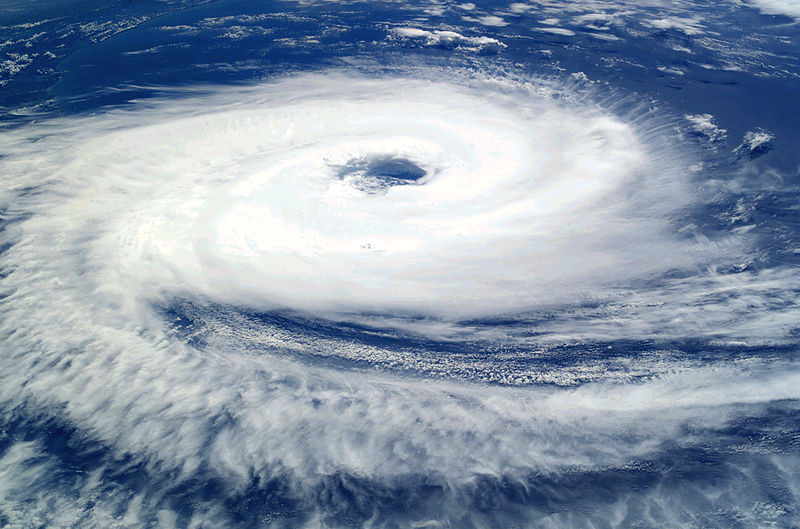
Helping children after Hurricane Sandy and other disasters

Dr. Betty Lai‘s guestpost on disaster recovery was planned a few weeks ago and couldn’t turn out more timely: Hurricane Sandy has affected many children while ravaging large areas in the Carribean and the US. Betty is a clinical psychologist and postdoctoral fellow at the University of Miami

Each year, millions of children are exposed to natural disasters. Many children who experience a natural disaster may report symptoms of posttraumatic stress or depressive symptoms. In a recent study, we examined these symptoms and their comorbidity among 277 children (7 -11 years old) exposed to Hurricane Ike, a destructive natural disaster that hit Galveston, Texas in September 2008. Continue reading