The physical health consequences of posttraumatic stress

Maria PacellaThe relation between posttraumatic stress and physical health is a fascinating one. On my ‘talent hunt’ at the ISTSS conference, I met Maria Pacella, who is currently completing her doctoral degree in Health Psychology at Kent State University, Ohio, USA. She examines the relation between traumatic stress and the development of mental and physical health problems in adults. Some fresh new findings below!

The following research describes a recent meta-analysis synthesizing the literature regarding PTSD/PTSD symptoms (PTSS) and comorbid physical health complaints. Related research conducted with samples of motor vehicle accident victims and people living with HIV is also discussed. For more information about our ongoing research studies, please see the Delahanty Stress and Health Lab website.

1. PTSD is associated with poor physical health

The relationship between PTSD and co-occurring mental health conditions — such as depression, substance use, and general anxiety — has received much attention in the literature. However, it is equally important to consider the impact of PTSD on physical health functioning. Given the biological alterations associated with PTSD, individuals with this disorder may be vulnerable to the development of, or worsening of, certain physical health conditions. A better understanding of the physical health consequences of PTSD will inform prevention and treatment practices, thereby reducing the economic burden created by the disorder.

Recently, we conducted a meta-analysis on the results of 62 empirical articles examining the relationship between PTSD and six physical health outcomes. Results revealed that individuals with PTSD suffered from greater health complaints in the following domains: Continue reading


How to bridge the gap between research and real life

Tons of fascinating research findings get published in academic journals. But how much of them are really translated into practice and sustainably implemented?

In order for science to be valuable it needs to be used: in the short run possibly as a stepping stone for new research but ultimately it needs to change something in real life.

I don’t think we optimally use the knowledge we gather about trauma recovery and other mental health issues for the public good. Nor in other disciplines for that matter. As an indication, many universities only stimulate academic output. Publications in professional outlets, popular science magazines, blogs, or policy documents are not ‘counted’ for performance reviews. I even know of institutional boards that state publications under Impact Factor 2 – an academic publication metric, only a few peer-reviewed psychology journals reach this level – should be considered ‘weak’ (and should therefore not be registered on employees’ publication records!).

As a result, there is a gap between research and real life that desperately needs a bridge. Continue reading

Global Mental Health Capacity Building at the 2012 ISTSS Annual Meeting

I ‘stumbled’ on this great blogpost by Andrew Rasmussen on the annual meeting of the ISTSS. Andrew is an associate professor of Psychology at Fordham University and has served as a deputy for the conference. He has been so kind to let me cross-post his thoughts. The original, slightly more extended version can be found on his blog, where he writes about psychology, culture, and displaced populations.

The annual meeting of the International Society for Traumatic Stress Studies (ISTSS), this year held in Los Angeles, wrapped up November 3rd. This year’s theme, Beyond Boundaries: Innovations to Expand Services and Tailor Traumatic Stress Treatments, was in large part a response to a lack of global and cross-cultural perspectives at most ISTSS meetings.

This year the planning was directed by two global mental health researchers, Debra Kaysen and Wietse Tol, and global perspectives were given the main stage. This was most obvious in two of the keynote addresses, one by global mental health luminary Vikram Patel and longtime transcultural psychosocialist Joop de Jong.

In addition to the international perspectives, it was good to hear the issue of capacity building addressed head on. This was addressed in the keynotes, but it also had its own symposium. Theresa Betancourt chaired “Capacity Building in Low-Resource Settings,” and she laid out the issue as movement from “relief to resource,” which sums it up nicely. Speakers included Vikram Patel, Mary Fabri, and Joop de Jong.

One of the key problems in global trauma practice is that mental health professionals from high income countries fly in to low and middle income countries (LMICs), ‘do their thing’ for a few weeks or a few months, then fly out — leaving nothing in terms of increased ability to deal with the long-term issues related to disasters, let alone in terms of preparation for subsequent ones. Capacity Building in Low-Resource Settings was a discussion of how to guard against this all too frequent phenomenon. Continue reading

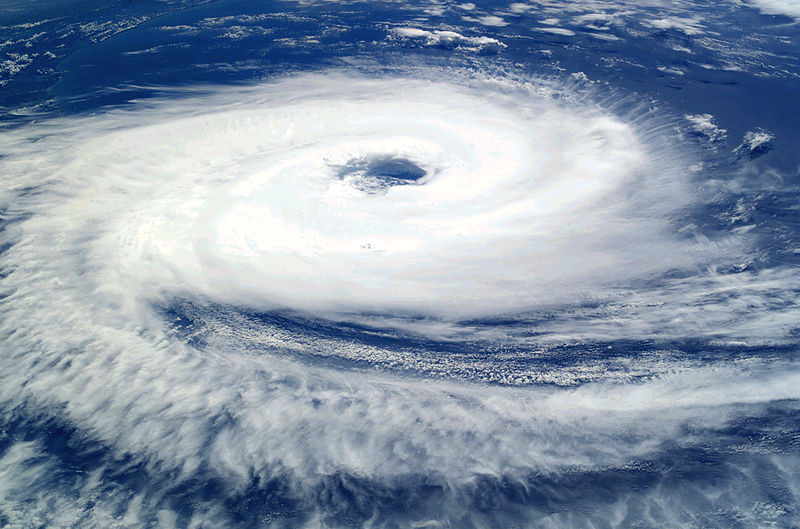
Helping children after Hurricane Sandy and other disasters

Dr. Betty Lai‘s guestpost on disaster recovery was planned a few weeks ago and couldn’t turn out more timely: Hurricane Sandy has affected many children while ravaging large areas in the Carribean and the US. Betty is a clinical psychologist and postdoctoral fellow at the University of Miami

Each year, millions of children are exposed to natural disasters. Many children who experience a natural disaster may report symptoms of posttraumatic stress or depressive symptoms. In a recent study, we examined these symptoms and their comorbidity among 277 children (7 -11 years old) exposed to Hurricane Ike, a destructive natural disaster that hit Galveston, Texas in September 2008. Continue reading

ISTSS conference

“Major advances have been made in the assessment and treatment of traumatic stress in the past 20 years.

Despite these advances, the vast majority of those affected by traumatic stress still do not receive any type of services or care.”


The opening sentences on the flyer of the rapidly approaching conference of the International Society for Traumatic Stress Studies ask for action. The meeting is one of the biggest yearly events in the field and it goes well beyond studies only; it includes many clinical workshops and contributions by journalists, policymakers, and (other) advocates. The program looks promising, especially the parts on outreach and innovation, its focus on mental health instead of mental disorders, and its keynote speakers.

And this year there will be more opportunities to follow the conference from afar! The hashtag is #istss and hopefully we’ll have a good group of people tweeting about their insights, available online resources, and shared interests (maybe next year we’ll welcome our first Twitter-born ISTSS initiative/project…?). The society tweets as @ISTSSnews and is also building its presence on Facebook and LinkedIn.

Are you at the meeting and would you like to learn how you can make best use of Twitter for your work? Come join us on Thursday (noon – 1.15, Diamond Salon 3, abstract 1211)! You can already start following ISTSS members (even when you don’t use Twitter yourself) via this link.

I hope some plans of action will be born or furthered next week. Let’s bridge those service provision gaps together.