The amusing details of ethics applications: A quiz

My apologies for a rather quiet Trauma Recovery blog at the moment. I’ve been living ‘under a stone’ (Dutch expression) to finish an ethics application for a new study. Which was pretty hilarious at times… Continue reading

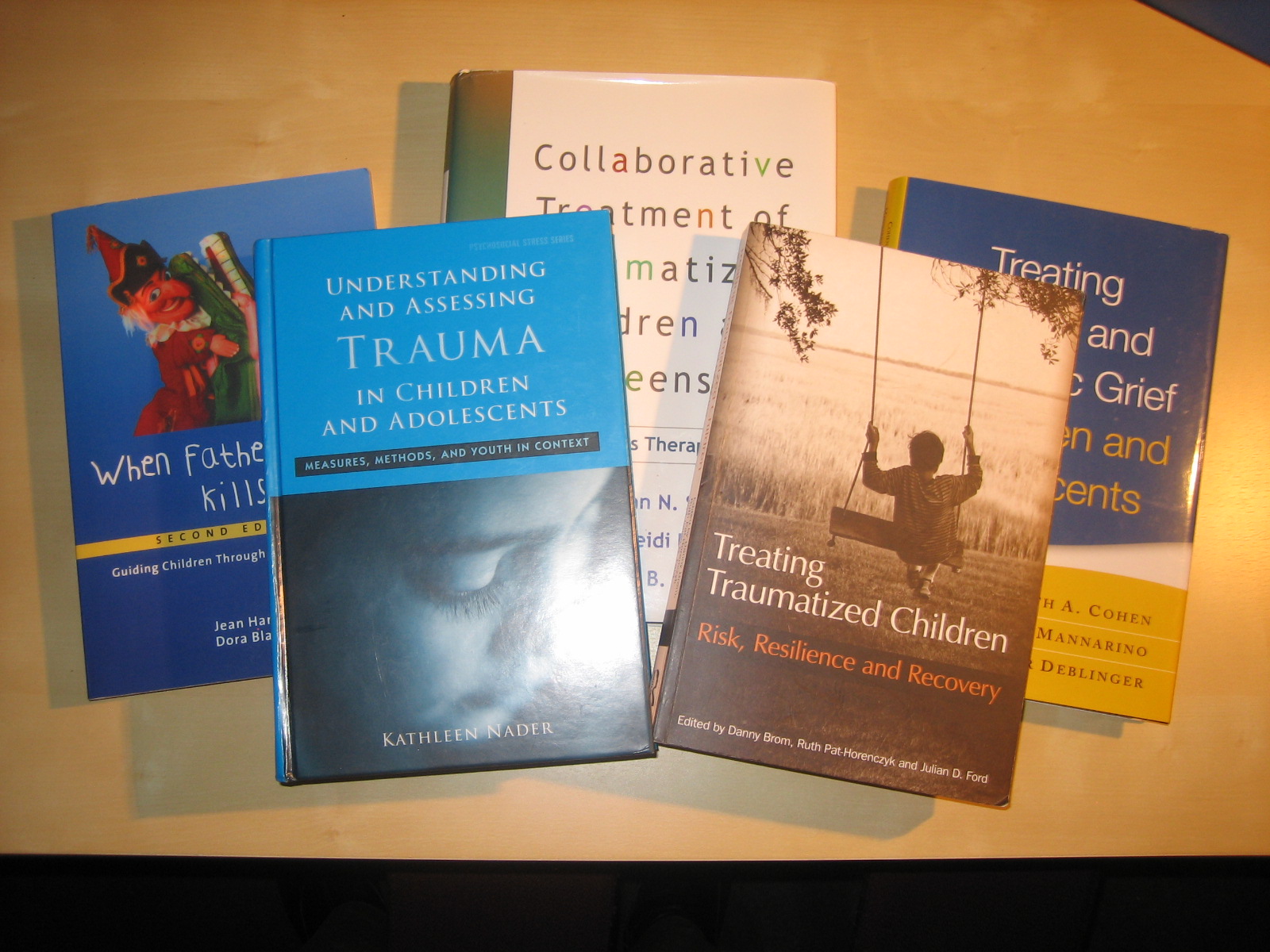
The 5 best books on children and trauma

Books! For a Dutch publication on supporting children after trauma, I have read and re-read a number of books on children and traumatic stress in the past couple of months. Five of them clearly stood out as favorites, mainly because of their innovative ideas, child-centered approach, and/or practical examples of how to help children.

 
Here they are, in random order. Would you agree with the selection? Continue reading

Paper in a Day: An invitation for early career researchers attending the ISTSS conference

Did you finish your PhD less than 5 years ago or are you about to submit it? And are you going to the ISTSS conference in LA? I’d like to invite you to a meeting just before the conference.

I have named it “Paper in a Day” and that’s exactly what it is (although..please read on :-)). The idea is to sit together with about 8 people and write a short report within one day. A super speedy process with a number of goals:

  • to get to know each other (hopefully we’ll have a nice mix of nationalities!)
  • to exchange ideas about traumatic stress and recovery
  • to come up with a collaborative short report
  • to have fun

In short: an intensive, nice, and productive day, with the potential to grow into a yearly event.

Program & preparation

The day will run from 8.30am until about 8.30pm, including plenary discussions, writing & analysis time in couples, and breaks :-). It will take place on Tuesday October 30th; the day before the pre-meeting institutes and the start of the conference. Continue reading

Empowering children and parents


How do we involve children and parents when we design new research? And how do we involve them in the development of interventions? In other words, how can we make sure that the studies we conduct and the care we provide are answering their needs?


Giving children and parents a voice in our research and clinical work is the topic of next week’s #traumaresearch chat (Thursday 12 April in most time zones, find your local time here). It’s inspired by a moving TED talk by Lucien Engelen earlier this week. He is a change maker in health care and encourages professionals to listen more carefully to patients.

Continue reading

The 20 most influential papers on posttraumatic stress

Which papers have shaped your thoughts on traumatic stress and recovery? Which articles do you often refer to? These questions will be the starting point for the next #traumaresearch chat on Twitter in exactly a week (March 28th in the US, 29th in Australia; see your local time).


Meanwhile, I have had a look at which publications have been most influential in terms of citations. For the methods (e.g., I have excluded articles focused on measures), see below. These are the most cited papers, with links to free full-text pdfs or abstracts:

  1. Kessler et al. (1995) Posttraumatic stress disorder in the national comorbidity survey. Archives of General Psychiatry. 3437 citations
  2. Breslau et al. (1991) Traumatic events and posttraumatic stress disorder in an urban population of young adults. Archives of General Psychiatry. 1181 citations
  3. Kendall-Tackett et al. (1993) Impact of sexual abuse on children: A review and synthesis of recent empirical studies. Psychological Bulletin. 981 citations
  4. Ehlers & Clark (2000) A cognitive model of posttraumatic stress disorder. Behaviour Research and Therapy. 978 citations               Continue reading